Why Choose a PTO Water Pump for Your Irrigation Needs?
When it comes to irrigation, choosing the right equipment is crucial. A PTO water pump stands out for its efficiency and performance. John Smith, an agronomy expert, emphasizes, "A PTO water pump can revolutionize your irrigation system." This highlights its significance in farming and gardening.
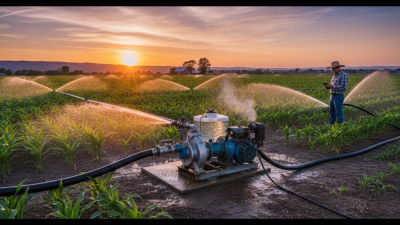
PTO water pumps harness the power of tractors, making them effective for large-scale irrigation. They deliver high flow rates and can pump water from various sources. This pump type is versatile, adaptable to many conditions, and essential for different farming needs.
However, it is vital to consider your specific requirements. Not all situations call for a PTO water pump. Sometimes, other options might work better for small plots. Reflecting on these choices ensures you select the best tool for your irrigation needs. The right decision can make a considerable difference in crop yield.
Understanding PTO Water Pumps: An Overview
PTO water pumps are essential tools for irrigation. They connect to tractors, which provide power. This design allows for efficient water movement. Farmers often prefer them for their reliability. They can operate in remote areas, far from electrical grids.
Understanding PTO water pumps involves knowing their components. A PTO shaft links the pump and tractor. This connection transfers energy effectively. Many models have adjustable flow rates. Operators can adapt their usage based on crop needs. However, improper setup can lead to inefficiencies. Keeping the pump maintained is crucial for optimal performance.
Some users may find PTO pumps complex. The learning curve can be steep for beginners. It’s important to study the manuals and practice. Mistakes may happen initially, but they are part of learning. With time, operators can gain confidence in using these pumps. Proper communication with other team members helps ensure successful irrigation.
Advantages of Using PTO Water Pumps for Irrigation
PTO water pumps are an excellent choice for irrigation. They work with your tractor's power, making them efficient. This direct connection allows for high performance without needing extra fuel or energy sources. You can easily adjust the flow rate, accommodating various crop needs.
One significant advantage is portability. These pumps can be moved around your field with ease. Their robust design means they can handle various terrains. Farmers often find them reliable in both wet and dry conditions. The flexibility to use them for different applications adds value.
Tips: Ensure your tractor's horsepower matches the pump's requirement. Regular maintenance checks guarantee longevity. Consider the distance of water sources. Longer distances may need larger pipes for efficient water flow.
Key Features to Look for in a PTO Water Pump
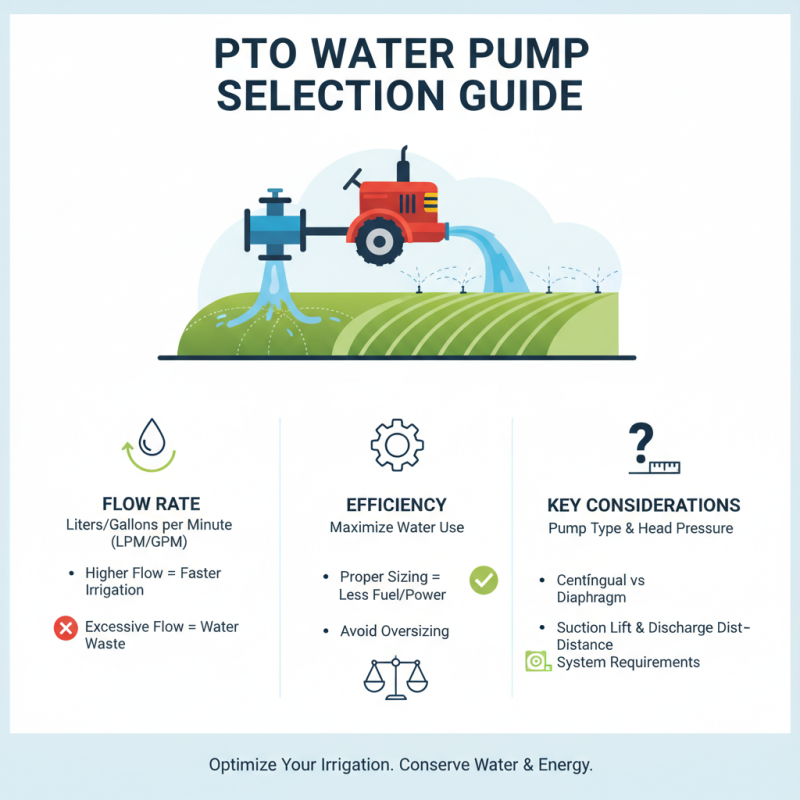
When selecting a PTO water pump for your irrigation needs, it's crucial to consider key features that enhance efficiency. One significant aspect is the pump's flow rate. This affects how quickly you can move water. A higher flow rate means you can irrigate larger areas in less time. However, be cautious: pumps with excessive flow can lead to water wastage.
Durability is another vital feature. Look for pumps made from high-quality materials. They should withstand harsh conditions. A robust construction ensures longevity and reduces replacement costs. Also, consider portability. Some pumps are easier to move than others, impacting how quickly you can set up your irrigation system. Heavy models can be cumbersome, while lighter ones offer versatility.
Efficiency is essential too. Analyze the fuel consumption of the pump. A more efficient pump saves money in the long run. Yet, it may come with a higher initial price. It's important to weigh the long-term benefits against upfront costs. A clear understanding of these features can make a significant difference in your irrigation success.
Comparing PTO Water Pumps to Other Irrigation Systems
PTO water pumps provide significant advantages over traditional irrigation systems. These pumps are powered by a tractor's power take-off (PTO) system, making them efficient and cost-effective. According to a report by the American Society of Agricultural and Biological Engineers, PTO pumps can deliver flow rates of up to 1,000 gallons per minute, depending on the tractor’s capacity. This efficiency can reduce water usage while ensuring crops receive adequate hydration.
In contrast, traditional irrigation methods often require extensive infrastructure. Drip systems and sprinklers can be costly to install and maintain. Additionally, they might not deliver water evenly across larger fields. Some studies show that inefficient systems can lead to over-watering and under-watering, impacting crop yields. A PTO pump, however, simplifies the process and can be adjusted quickly based on the specific needs of the field.
Tip: Regular maintenance of your PTO water pump is crucial. Check seals and hoses frequently to prevent leaks. This simple practice can save water and improve efficiency.
While PTO pumps are beneficial, they might not be suitable for every situation. For very small farms, investing in a PTO pump might not be cost-effective. Additionally, farmers should consider the tractor’s horsepower. Low horsepower may limit the pump's potential, leading to reduced performance. Evaluating your specific needs is essential for optimal irrigation results.
Maintenance Tips for Optimal Performance of PTO Water Pumps
When choosing a PTO water pump, maintenance is key for optimal performance.
Regular checks can prolong the pump's life and improve efficiency. Inspect hoses and seals for wear.
Replace any damaged parts promptly to avoid leaks.
Tips: Ensure the pump is clean after each use. Remove debris that can cause blockages.
Lubricate moving parts as needed. This simple step can prevent larger issues later on.
Also, remember to check the oil levels regularly, as low oil can lead to overheating.
Keep an eye on the pump’s pressure gauge.
Inconsistent readings may indicate underlying problems.
Listen for unusual noises from the motor. This can signal that maintenance is required.
Addressing these issues early can save time and costly repairs down the line.
Regular maintenance can seem tedious, but it pays off significantly.